Organizing an event in Dubai offers unparalleled opportunities to reach a diverse, high-spending audience in a world-class setting. However, the regulatory landscape is strict, detailed, and mandatory. Whether you are planning a corporate conference, a music festival, or a community workshop, navigating the requirements of the Department of Economy and Tourism (DET)—formerly known as DTCM—is the critical first step.
This comprehensive guide, curated by Ariya Production, breaks down every legal aspect, permit requirement, and sponsorship regulation you need to know to host a compliant and successful event in the UAE.
1. The Foundation: DET Permits
In Dubai, no public event can take place without a permit from the DET. Operating without this permit is a severe offense that can lead to fines starting at AED 100,000 and the immediate cancellation of your event.
Who Needs a Permit?
A permit is mandatory for a wide range of activities, including:
- Entertainment: Concerts, theatre performances, comedy shows.
- Business: Conferences, exhibitions, networking gatherings.
- Sports: Marathons, competitions, yoga sessions.
- Charity & Religious Events: These require additional special approvals from IACAD.
- Brand Activations: Mall pop-ups or product launches.
You cannot apply for a permit in isolation. You must first book a venue (hotel, arena, or park). The venue management will then issue a No Objection Certificate (NOC) and approve your application within the e-Permit system. Without the venue’s digital approval, your permit application will not progress.
2. The E-Permit Application Process
The DET uses a digital “e-Permit” portal. To secure your permit, follow this strict workflow:
- Organizer Registration: Your company must have a valid trade license in Dubai with “Event Management” activities. International entities must partner with a local licensed organizer like Ariya Production.
- Venue Booking: Confirm dates with a licensed venue. They will initiate the NOC in the system.
- Document Submission: Upload the event agenda, floor plan, and passport copies of the event owner/manager.
- Performer Docs: Submit passport copies of all speakers, artists, and entertainers for clearance.
- Fee Payment: Pay the required government fees, which vary based on event type and duration.
3. Ticketing Regulations & Fees
If your event is ticketed, you cannot use unauthorized third-party platforms. You must use a ticketing system integrated with DET’s e-ticketing gateway (e.g., Platinumlist, Virgin Megastore).
The Fee Structure
When budgeting, account for these government levies on every ticket sold:
- 10% Municipality Fee: Calculated on the face value of the ticket.
- 5% VAT: Applicable on the ticket price.
- Knowledge & Innovation Dirham: Fixed fees per transaction.
- E-Token Fee: A small fee per ticket generated.
It is strictly illegal to market your event or sell tickets before the DET permit status is officially “Issued.” Selling tickets while the permit is merely “Under Process” can result in heavy fines and account freezing.
4. Sponsorship Laws
Sponsorship in the UAE is legally classified as advertising, falling under the jurisdiction of the National Media Council (NMC) and DET.
- Entity Status: Sponsors must be legal entities. If a sponsor is not registered in the UAE, the local organizer assumes liability for their content.
- Cultural Sensitivity: All branding and activations must respect Islamic values and UAE culture.
- Alcohol Branding: Strictly restricted. Alcohol brands generally cannot be advertised on public flyers, social media, or outdoor billboards. They are limited to designated 21+ areas.
- VAT Rules: Sponsorship is a “supply of services.” If a UAE company sponsors your event, you must charge them 5% VAT on the sponsorship value.
5. Security (SIRA) & Police Clearance
Security is not optional. It is regulated by the Security Industry Regulatory Agency (SIRA).
SIRA Requirements
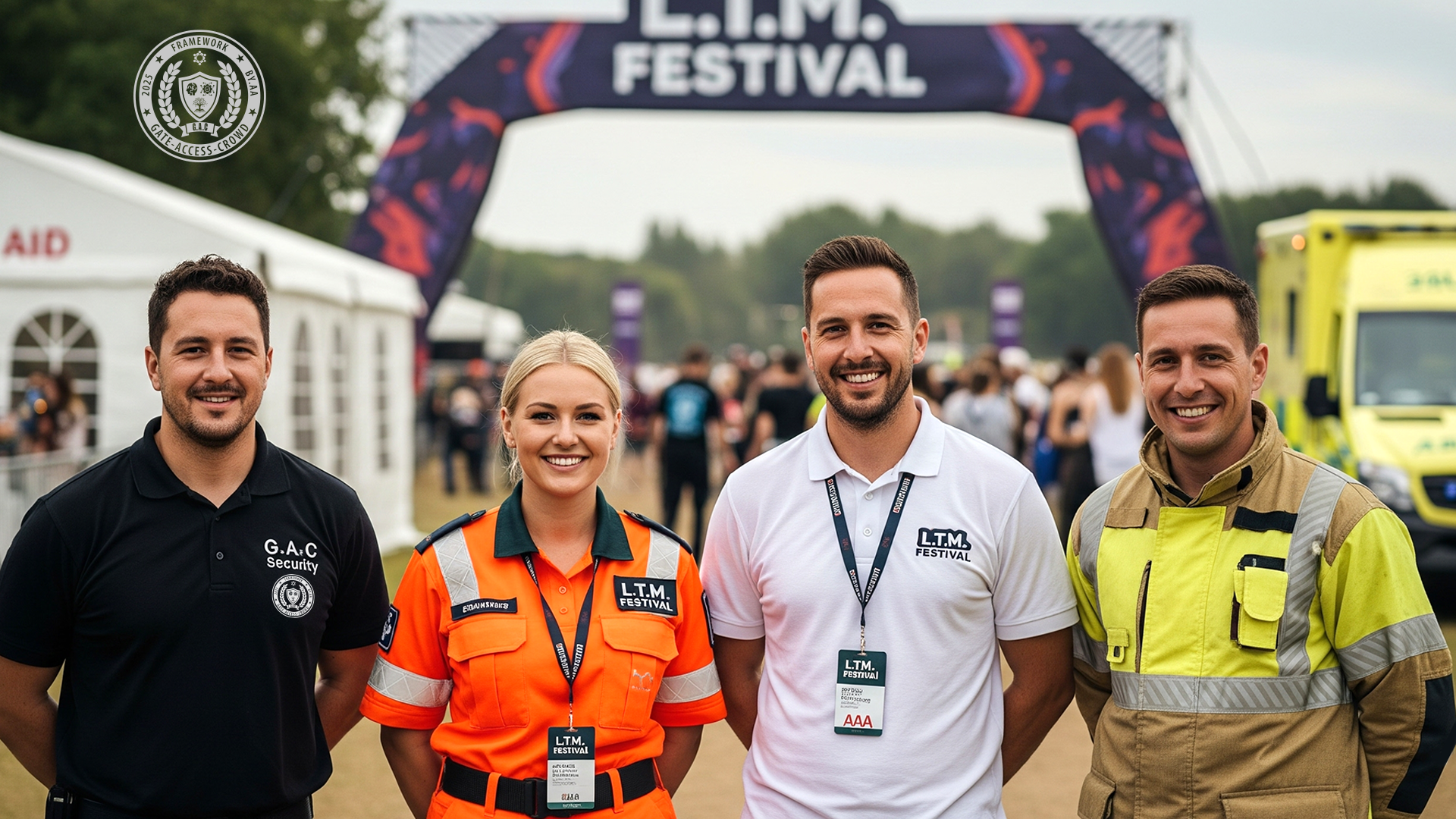
For most public events, you must submit a security plan showing entry/exit points, crowd flow, and emergency routes. You are required to hire guards from a SIRA-certified security company—random staff cannot act as security.
Note: If you have female attendees, you are legally required to have female security personnel available for searches.
6. Performers & Speakers
Every person on stage—whether a keynote speaker, DJ, or singer—requires a permit.
- Good Conduct Check: Authorities run background checks. Criminal records or previous bans can lead to rejection.
- Content Restrictions: Performers must be briefed to avoid sensitive topics (religion, politics) and foul language.
7. Summary Checklist
To ensure a seamless process, Ariya Production recommends this timeline:
- 3 Months Out: Secure venue, sign contract, and draft permit application.
- 2 Months Out: Finalize artist/speaker list and collect passports.
- 6 Weeks Out: Engage a SIRA-approved security firm.
- 4 Weeks Out: Once the permit is issued, launch ticket sales.
Disclaimer: Regulations in Dubai are subject to change. This guide is for informational purposes only. Always consult with a licensed event management company like Ariya Production or legal authorities before planning your event.